
RIRJ Fellowships
2025-2027
The RIRJ Boston Fellowship is a two-year engagement in support of BIPoC (Black, Indigenous, and People of Color) and other artists/collectives, culture bearers, and creative community organizers living and/or working in Boston who seek to create transformational change advancing racial justice in collaboration with their community/ies.
What Makes RIRJ Unique:
-
The current fellowship provides $140K over two years, allowing for sustained, deep work. This gives creatives time to build and nurture relationships, prototype ideas, experiment, and develop pathways toward sustainable change.
-
RIRJ Fellows will integrate Participatory Action Research (PAR) through some kind of community-led research into their creative practice, where community members are knowledge holders, co-creators, and strategists. Projects will be developed with communities directly impacted by the issues being addressed.
-
The fellowship is designed as a collaborative journey for a cohort, rather than simply a funding opportunity. Fellows take part in a dynamic creative community with meaningful expectations for participation, shaping the experience together with RIRJ staff and partners.
-
Fellows will have access to various forms of technical assistance; connection with partner Design Studio for Social Intervention’s Design Gym resources; and connection to broader networks.
-
The fellowship supports creatives to pay themselves for their work, as well as discretionary resources for well-being–whatever artists deem essential. RIRJ recognizes that the humans bringing creative, collaborative, justice-oriented work to life require resources and care.
The RIRJ Fellowship is designed to support artists and collectives who use creativity to address fundamental social and systemic issues of racial justice– going to the root of injustice while envisioning new possibilities.
Artists and creatives have long been catalysts of change and social movements, with artists of color possessing deep, longstanding knowledge of what liberation requires for their communities.
Dorchester Weather

“A framework that centers lived experience doesn’t just put stories alongside data, it demonstrates the knowledge of residents is essential in identifying risks and building accountability. This is especially urgent in environmental justice communities, where impacts are not isolated but interrelate and compound in nuanced ways.”
-
Dorchester Weather is a theatre ensemble rooted in the Dorchester neighborhood of Boston. We are a collective of artists, neighbors, friends, and organizers who come together through dialogue and storytelling to advocate for better, more sustainable lives in the places we live. Our work uses playmaking as a tool of healing, collective dreaming and community care. Through collaboration, we build shared visions for mutual thriving, sparking hope for the futures we imagine.
Core ensemble members include: Jaronzie Harris, Aisha Revolus, Saranya Saranthanan, and Jonah Toussaint.
-
Dorchester Weather (DW) envisions a racially just neighborhood where Black, Brown, immigrant, and working-class people can not only stay, but thrive, free from the environmental burdens, displacement, and overdevelopment disproportionately placed on their communities. At the heart of this vision is narrative power: the ability of residents to name their reality, imagine alternatives, and shape the stories that guide public decision-making.
DW aims to leverage their artistic practice of satirical, ensemble-devised storytelling and the creation of fantastic, theatrical worlds to inspire people to see new possibilities within their contexts. Their work invites residents to move from reacting to outside-driven proposals for development in their neighborhood toward envisioning what they want to build together.
DW believes that art can reframe how civic planning conversations happen, not by replacing technical processes, but by shaping the conditions under which they unfold. Their work helps communities see beyond immediate constraints and engage complex systems critically, relationally, and collectively. In this way, their artistic practice does not run parallel to planning and advocacy; it can facilitate more accountable, people-centered engagement.
They imagine neighborhoods with abundant green space held in collective stewardship and public sites that function as places of rest, gathering, and celebration. They are working towards a future where environmental justice communities have the power to shape decisions about major infrastructure, hold developers accountable to the interests of residents, and where neighbors move forward together with shared vision for their neighborhood.
-
This year, Dorchester Weather is prioritizing leveraging their artistic practice to offer a compelling, shared vision for the lot and neighborhood, one that helps residents, organizers, and decision-makers see beyond the current conditions and imagine possibilities for a just, and more equitable future. This summer, Dorchester Weather is preparing to prototype a full-scale outdoor production of The Lot Next Door, presented over three days on the city-owned lot at the center of their work.
Their prototype includes:
Theatrical Performances & World-Building
They will continue developing Dorchester Weather’s satirical, ensemble-devised storytelling in a full outdoor production of The Lot Next Door through a fictional world called Nubianchester that closely parallels Dorchester but dramatizes present-day bureaucracy of development, climate stress, and displacement while opening space for new possibilities.Art as Civic Critique and Visioning
Rather than serving primarily as facilitators of technical processes, they will create an artistic intervention that frames those conversations, offering narratives, scenes, and performances that help people connect with what’s happening and that invites residents, partners, and policymakers into dialogue about the values, desires, and dreams they collectively want for their neighborhood. They intend to help people reconnect to their imagination and their capacity to act. They aim to touch hearts and souls while offering tools for critical reflection, joy, parody, and celebration.Partnership Development
Recognizing that long-term change requires broad ownership, the RIRJ fellowship supports Dorchester Weather in deepening partnerships with residents, organizations and collaborators who can carry forward complementary aspects of the work, such as research, policy engagement, and long-term stewardship of the space. The fellowship supports them in cultivating a community that extends beyond their ensemble, strengthening buy-in, shared responsibility, and continuity beyond the production of The Lot Next Door.Activating the Lot
The lot continues to remain central to their work, not only as the contested site of the play where they are staging a production, but as a canvas for experimentation and possibility. They plan to invite artistic partners to host smaller-scale activations on the lot that allow neighbors to see how the lot can function as a place for rest, imagination, connection, celebration, and shared ownership. -
Devised theatre and collaborative playmaking
Site-specific performance and neighborhood-based storytelling
Public workshops and design charrettes rooted in creative participation
Satire and fictional world building
Facilitating community dialogue through performance, food, and public gatherings
Education and advocacy through creative participation in neighborhood processes
Community-based research including resident interviews and neighborhood archives
Public art and performance in outdoor, public spaces
Partnership-based stewardship of public space
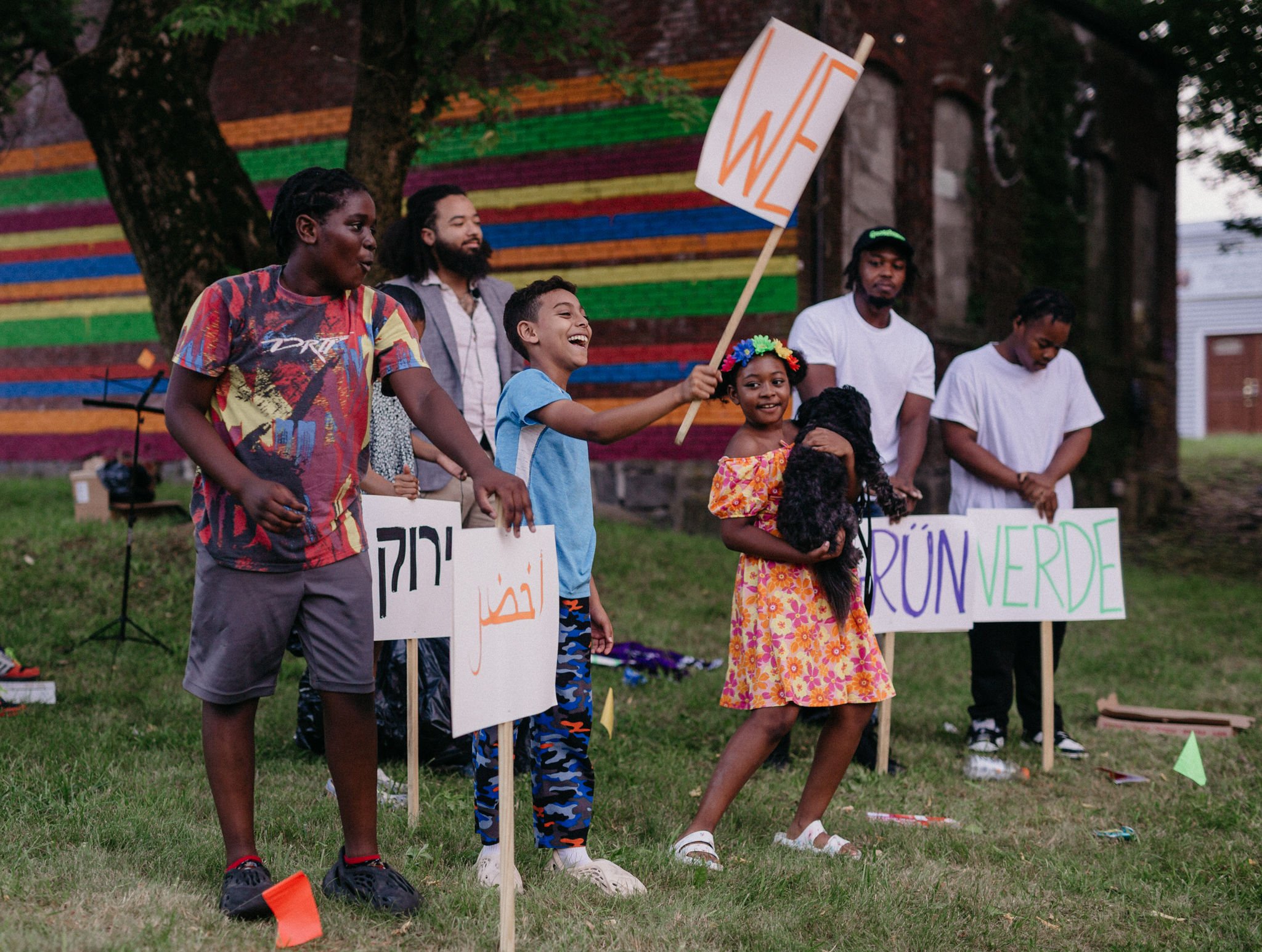
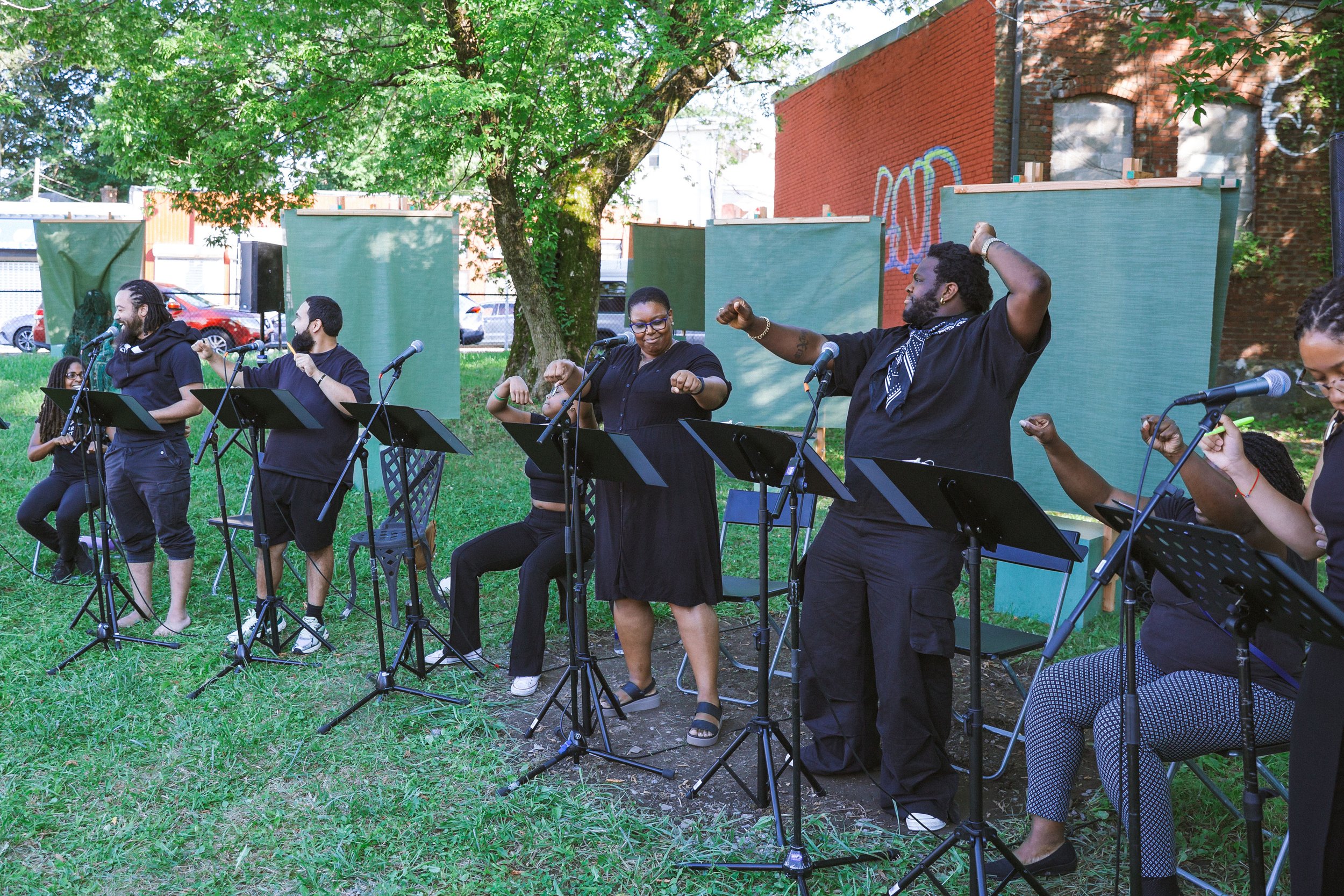
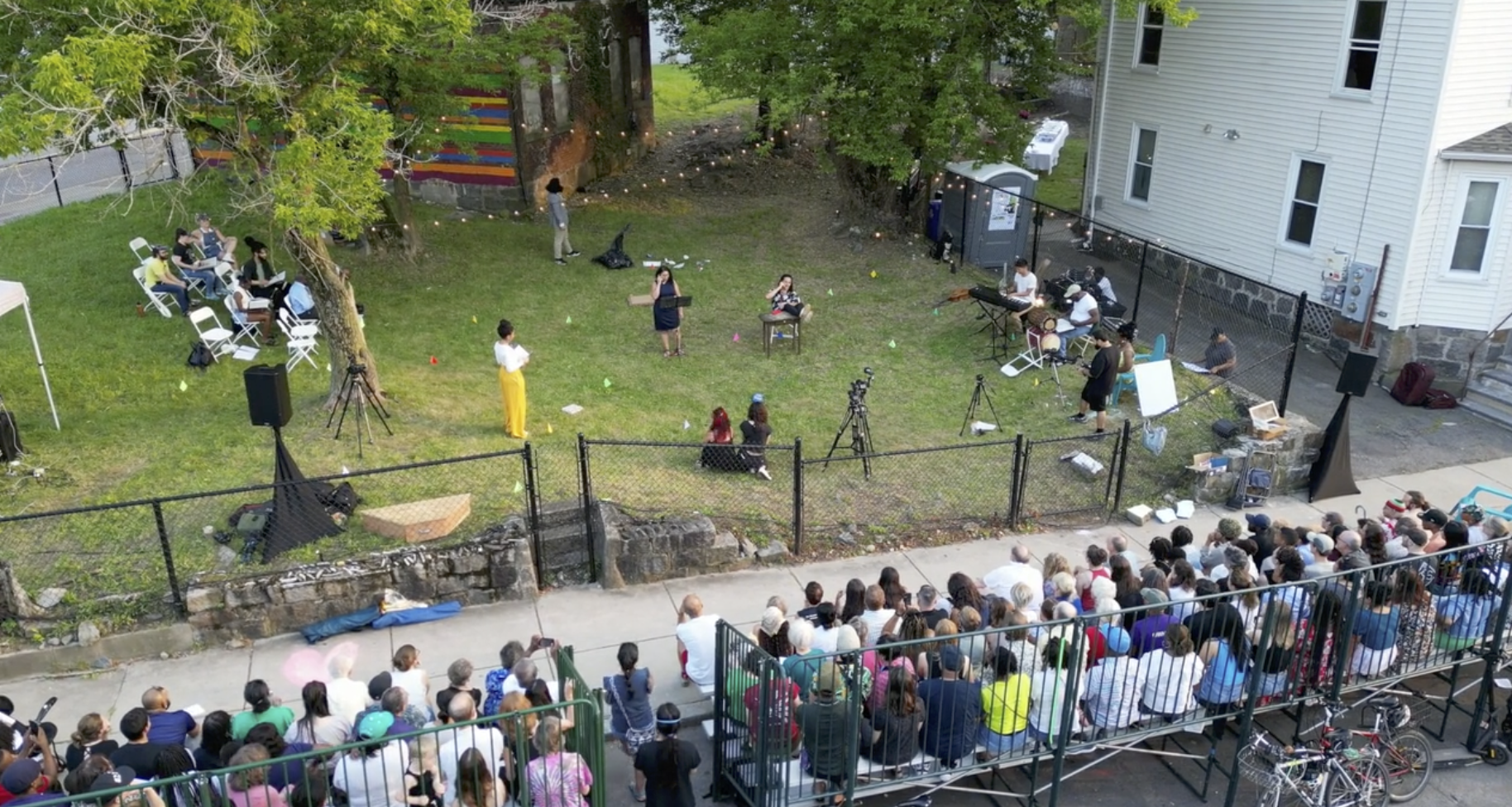
All Images courtesy of Dorchester Weather
Erin Genia
“In my Dakota culture, we have stories about Iya, a demon that is the spirit of gluttony and cannibalism. It goes from village to village eating people and destroying whole towns. We are taught that it’s up to the people to stop this entity and never let it return. We can only do this by coming together with ohítika/bravery. Naúŋkič’ižiŋpi, we stand up for ourselves.”
-
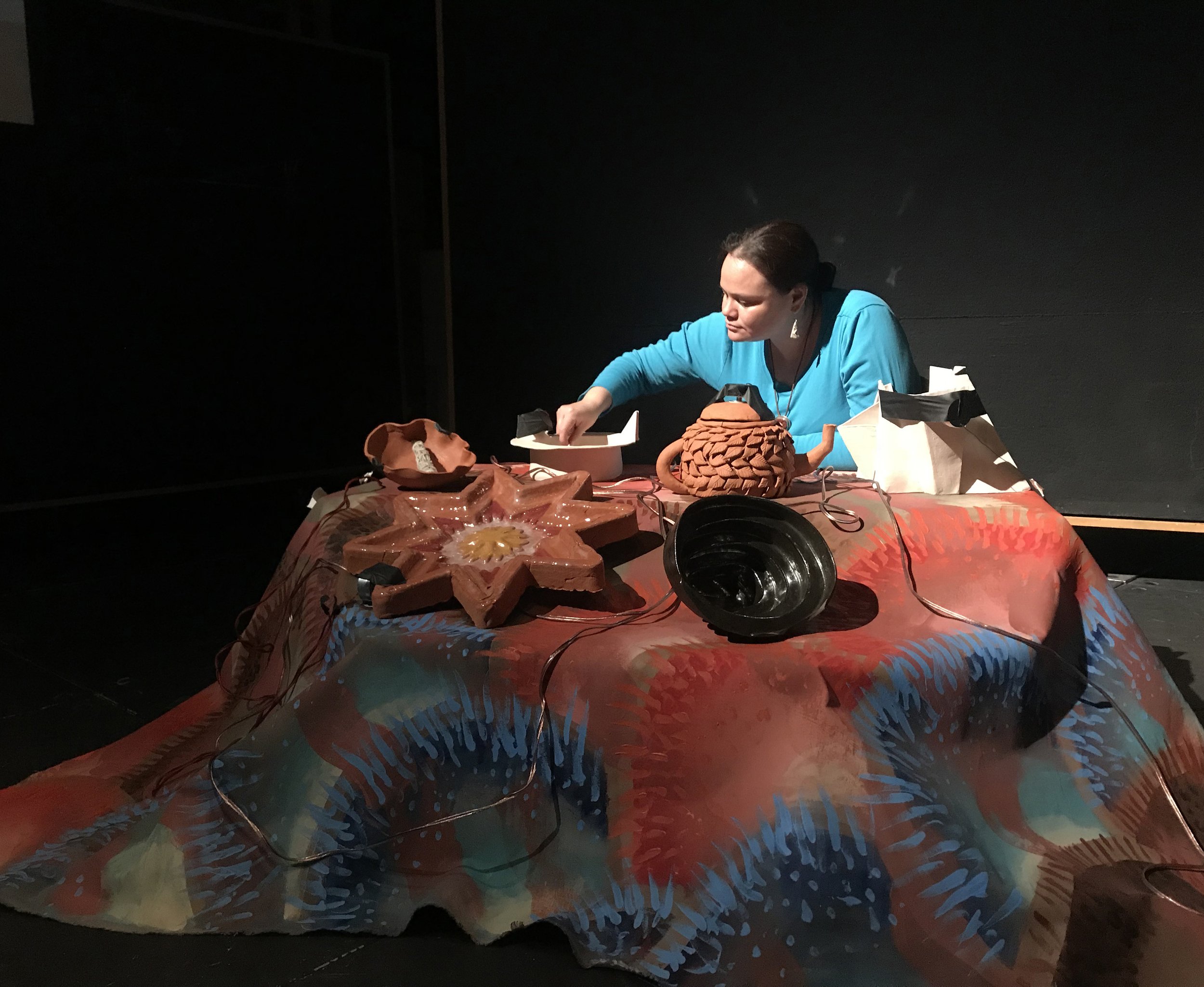
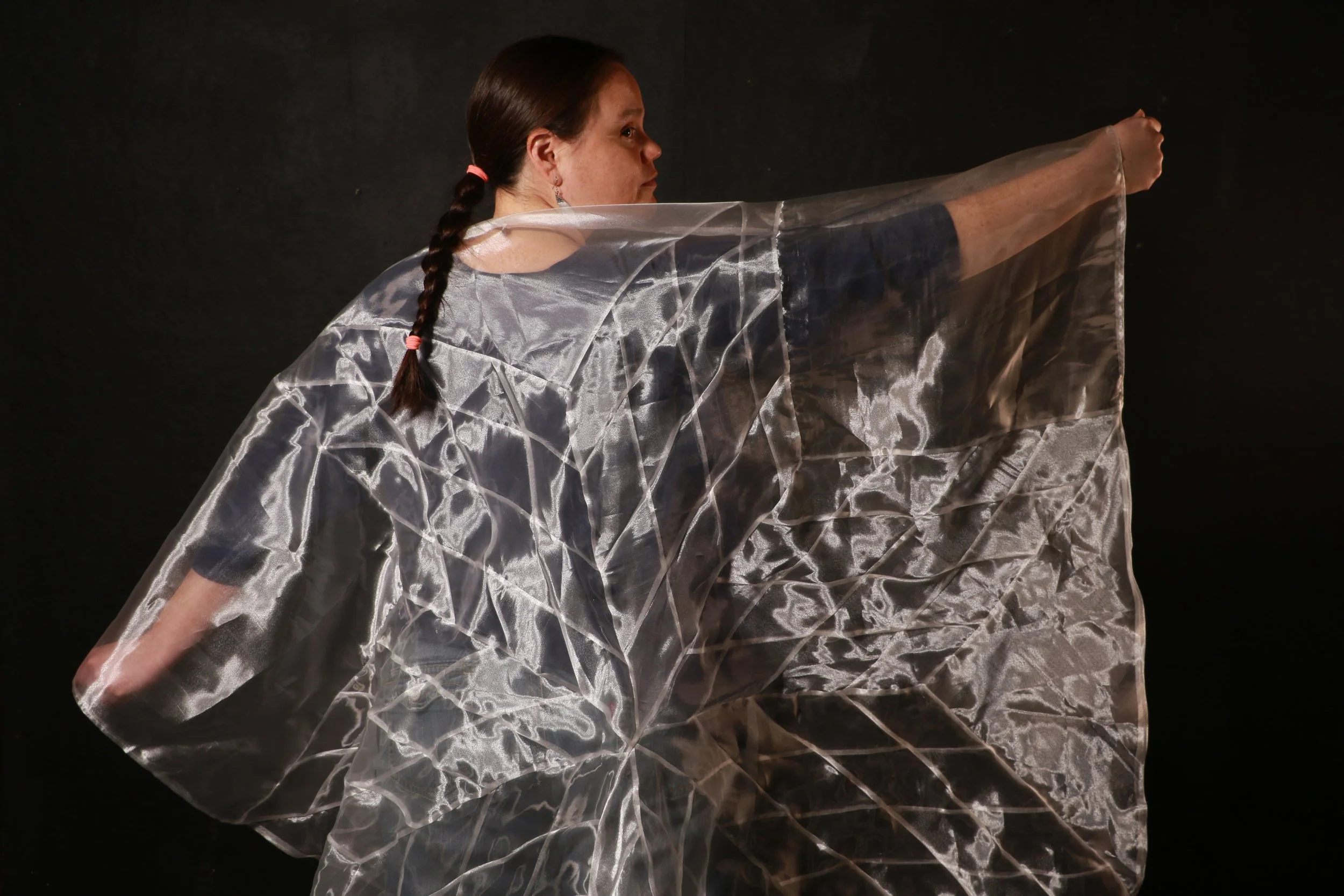
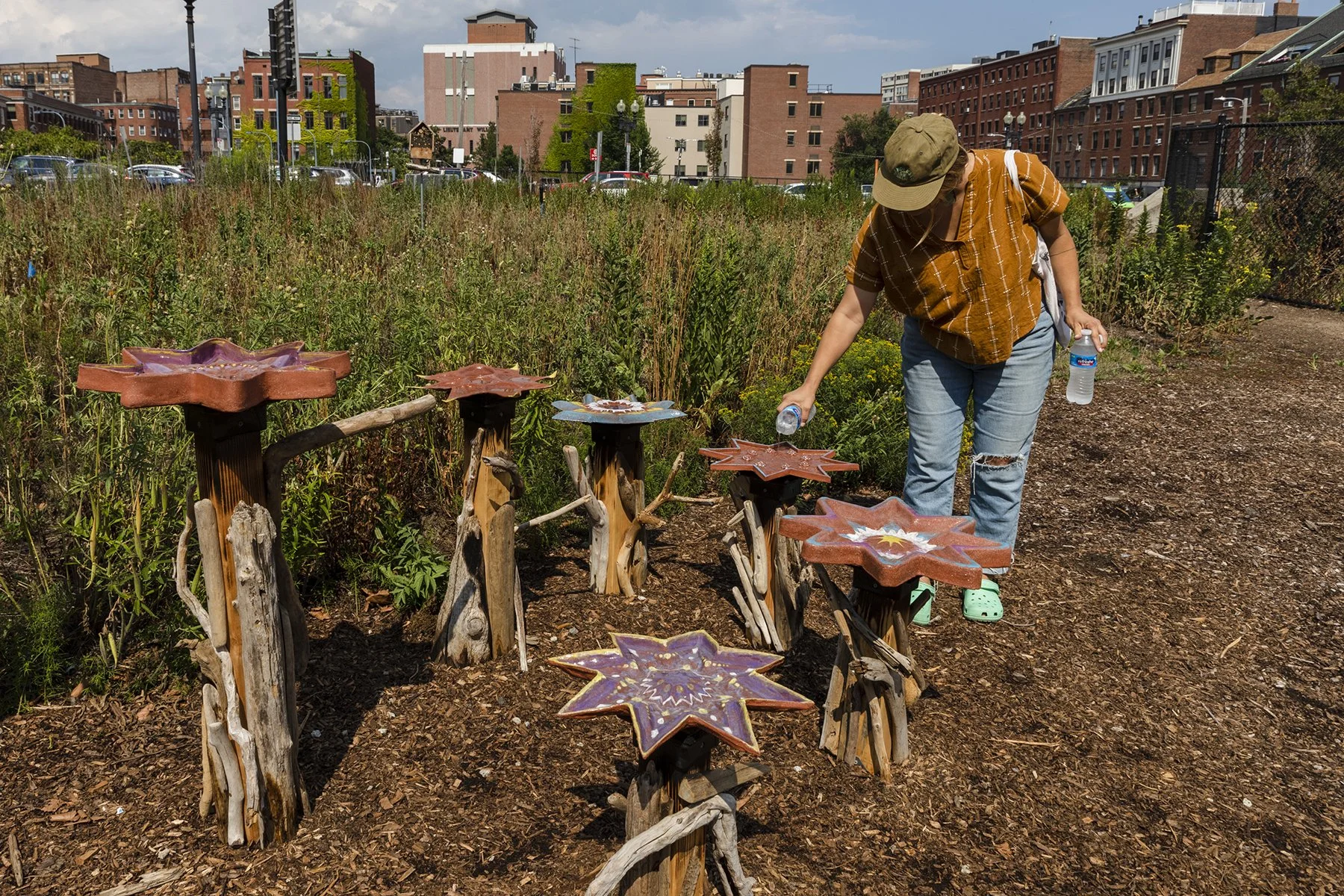
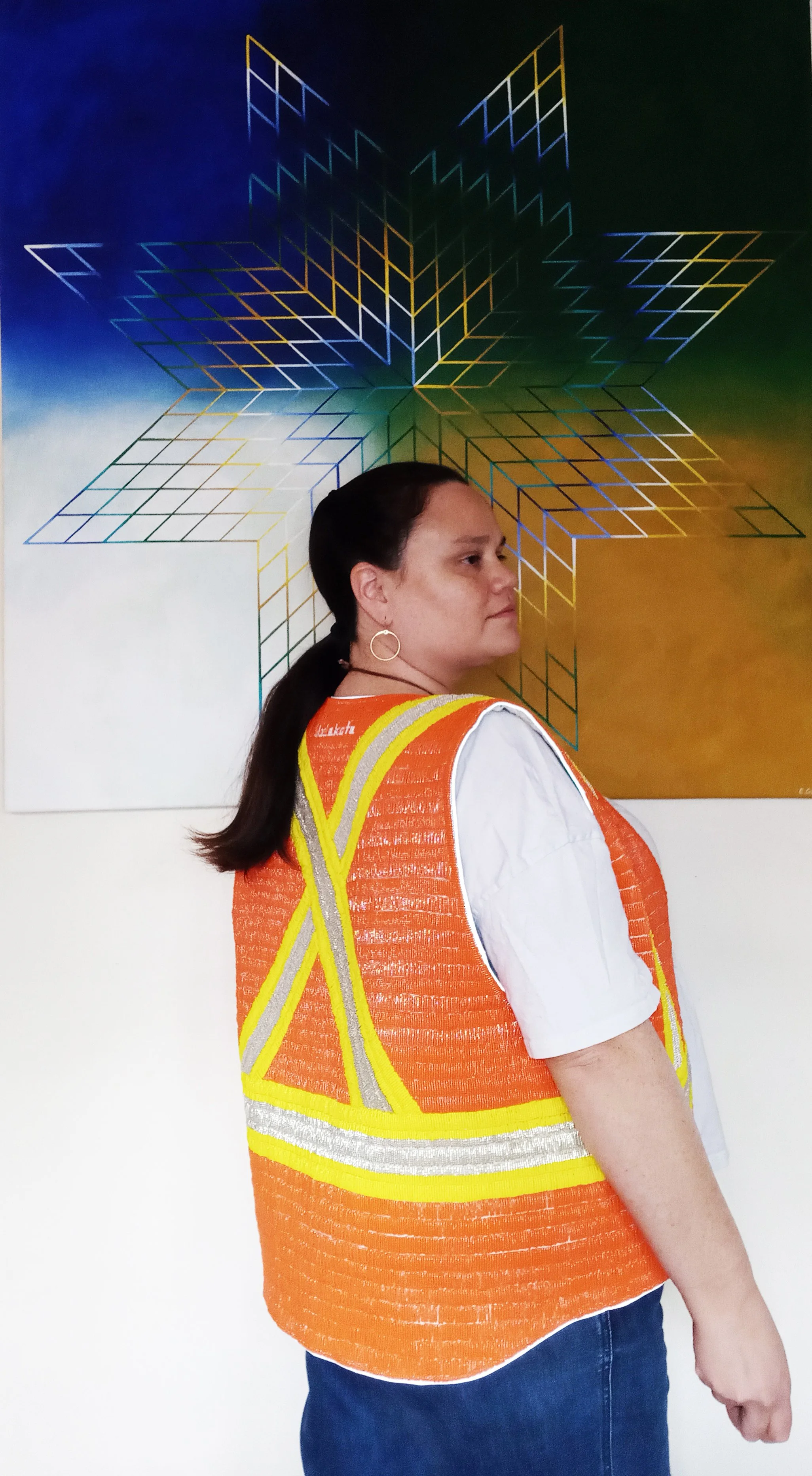
Erin Genia is a Dakota and Odawa artist, organizer, and educator whose work reclaims Indigenous cultural practices and challenges exploitative systems in the art world. A tribal member of the Sisseton-Wahpeton Oyate, she develops Indigenous methodologies that promote tribal sovereignty and equity. As former Artist in Residence for the City of Boston and current Indigenous Public Art and Cultural Spaces Consultant, Genia has shaped groundbreaking equity initiatives and advocates for artist organizing and Indigenous governance principles.
-
Erin envisions a world where artists have power, dignity, and fair compensation for their essential cultural work—where Indigenous governance principles guide how we organize, create, and relate to one another and the land. She seeks a profound cultural shift toward holistic and creative consciousness that addresses ecological destruction and inequality stemming from colonial mindsets.
Central to her vision is the restoration of tribal sovereignty, the land back movement, and the reclamation of traditional Indigenous material practices that operate within philosophies of reciprocity and respect rather than extractivism. She believes artists must organize collectively to build power, establish standards for fair pay, and create self-determination over their affairs—whether through unions, cooperatives, or other collective structures.
Erin seeks a future where artists can contribute to cultural transformation through collective action, where traditional practices and contemporary creativity intersect, and where the creative process itself becomes a tool for addressing interconnected crises of institutional racism, economic inequality, climate change, and culture loss.
-
Erin wants to organize gatherings of Native American and Indigenous artists to build fellowship, create art, and develop advocacy strategies together. The prototype(s) may involve:
Collaborative Visioning: Working with local/regional Native artists and culture bearers to develop a collective vision accountable to tribal communities
Land-Based Making: Finding accessible locations where participants can deepen connection to land while focusing on traditional/studio practices
Artist Studios: Organizing spaces where participants can reclaim Indigenous techniques within tribally-guided protocols, including: digging local clay, traditional pit firing, gathering/preparing fibers for weaving, wood/stone/shell carving, quillwork and beadwork, natural dyes/pigments, and sustainable multi-media practices
Ecological Practices: Centering methods to reduce ecological footprint and developing practices that give back to the ecosystem
Cultural Programming: Incorporating drum and dance performance, educational presentations, and ceremony such as medicine fire
Organizing and Advocacy: Strategic conversations about influencing policy, strengthening tribal sovereignty, and the land back movement, using Indigenous governance principles like consensus building
Personal Practice Integration: Examining the intersection between her individual studio practice (encouraged by Western art tradition) and community-based practice (aligned with Indigenous approaches)
Studio Development: Building and repairing studio spaces, creating a ceremonial space, winterizing facilities, and deepening traditional knowledge of Dakota/Odawa practices
Erin’s vision would develop/combine her creative practice(s) with her organizing skills, to create sustainable structures for collective advocacy, and to connect with similar efforts globally.
-
Erin works in, and seeks to expand, her traditional Indigenous material practices and multi-media art, including:
Traditional pit firing and ceramics (working with local clays)
Weaving (cedar bark and other natural fibers)
Carving (canupa inyan/pipestone, quohog shell, wood, stone)
Quillwork and beadwork
Natural dyes and pigments
Sustainable multi-media practices
Community-based and socially engaged art
Organizing and cultural programming (including ceremonial work, drum and dance)
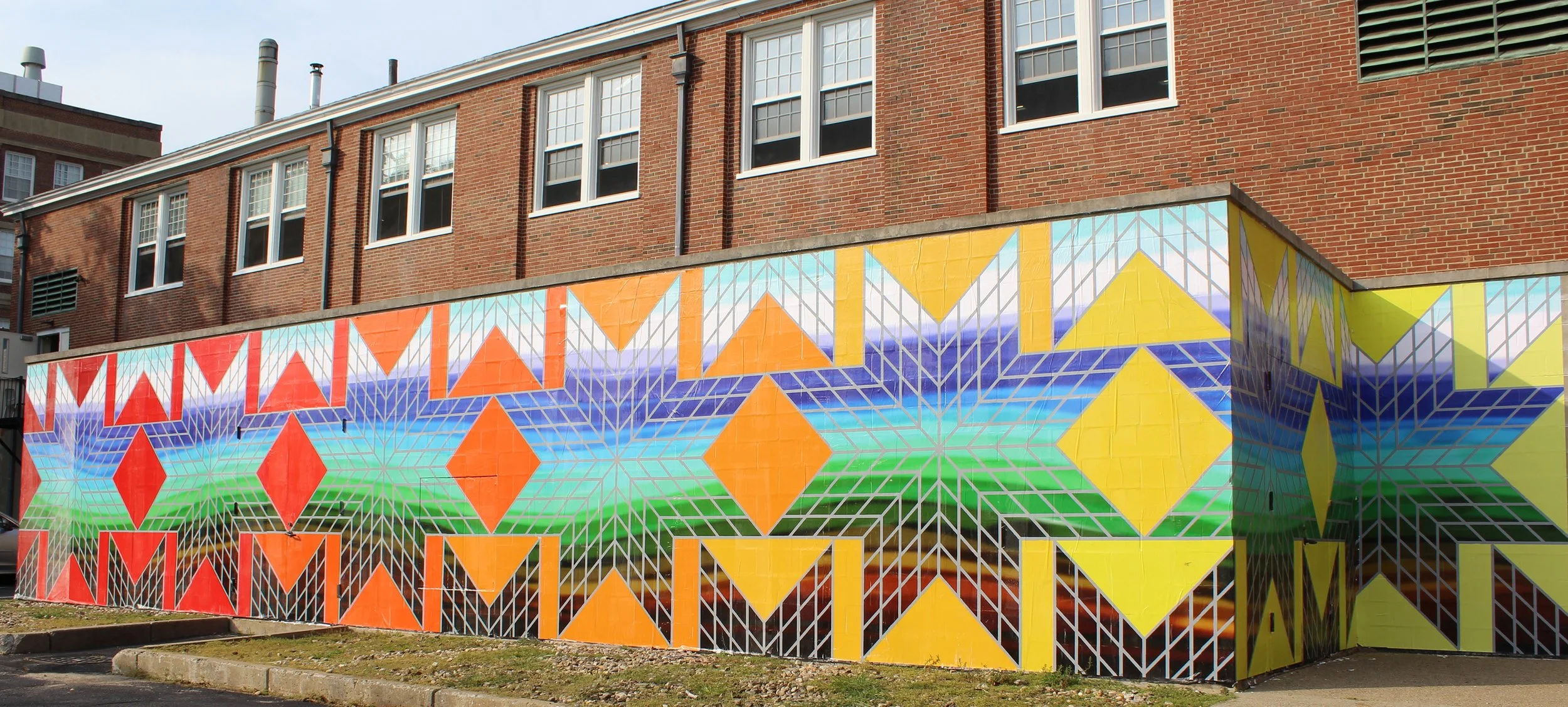
All images courtesy of Erin Genia

Nate Nics
and Thrill
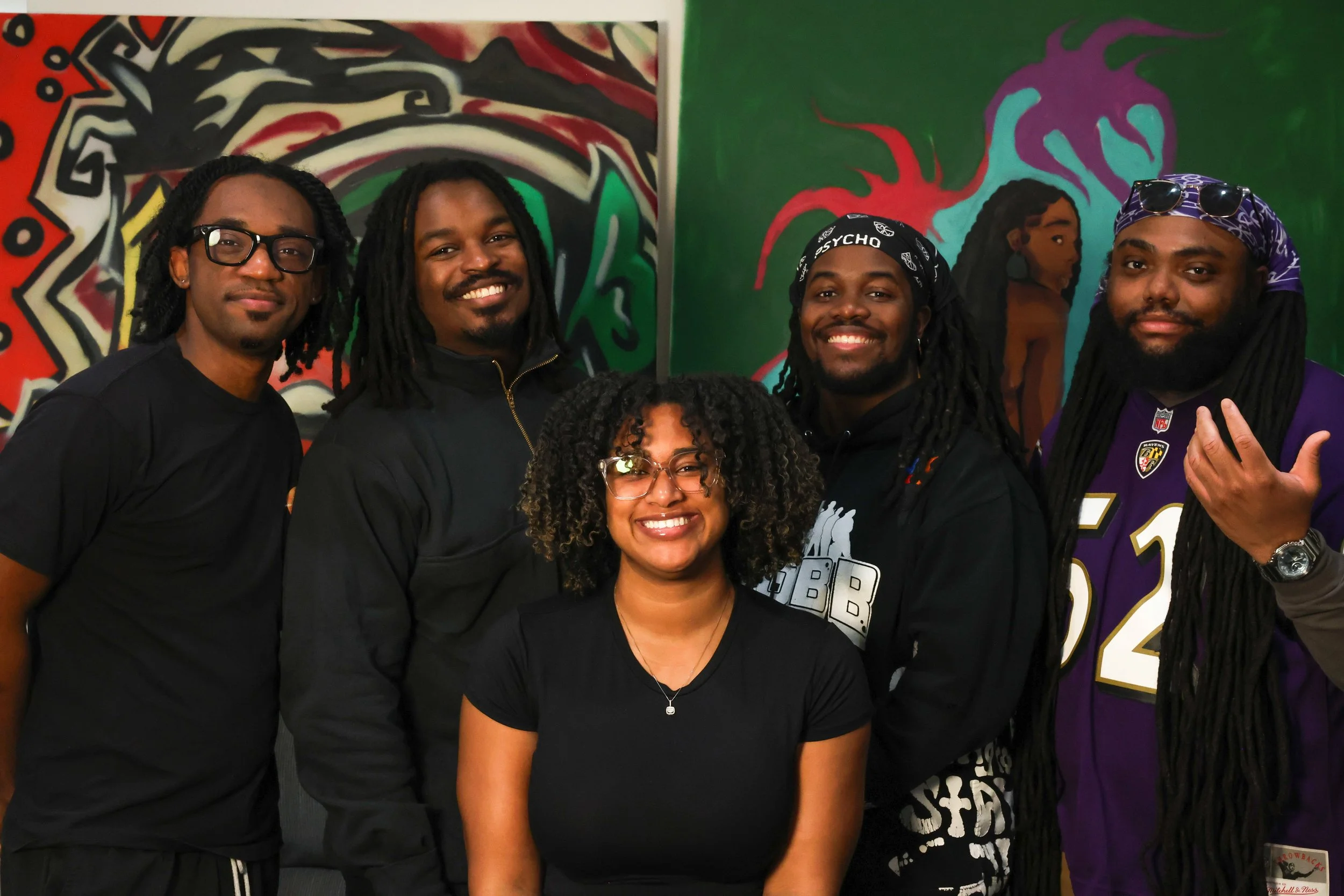
“We imagine a world where descendants of the Black Diaspora and People of Color are the cultural and material determiners of their lives—where egalitarian, non-hierarchical cooperation is common and decisions are based on radical consensus.”
-
Thrill is a collective of BIPoC artists and creative professionals founded in 2020 that creates accessible spaces, immersive events, and community-driven programming in Boston. The collective—composed of Sadiq Ervin, Stephen Lafume, Brandi "Chanel" Phillips, Cameron Teleau, and Nate McLean-Nichols (pictured above left to right)—uses creativity and community building to cultivate positive collective experiences while providing sustainable opportunities for growth centered in participatory practices. Their philosophy is rooted in free will and the choices artists make to be creative despite life's obstacles.
-
Central to Thrill’s vision is a Boston where BIPoC artists are not just surviving but leading–shaping culture, policies, and community sustainability practices. They seek to shift culture from scarcity to abundance, where Black and Brown artists have sustainable financial and infrastructural support, creative labor is fairly compensated, and artists can thrive as whole people with health, wellness, rest, and stability as foundations.
They imagine spaces where BIPoC artists feel belonging and possibility rather than isolation and undervaluation—spaces of pride, joy, and momentum. They seek multi-generational coalitions where youth, peers, and elders engage in dialogue, rapport-building, and skill-sharing so cultural and artistic traditions can thrive.
Thrill wants a future where Black arts and stories are amplified in Boston's narrative, where community members can reclaim resources, redistribute power, and re-center voices most at risk of being silenced. Thrill’s work is testament to their belief that art is both radical expression and a pathway to liberation.
-
Thrill plans to pilot the Reciprocal Artist Project (R.A.P.) Fund, an artist-led reinvestment initiative designed to strengthen the cultural and economic ecosystem of BIPoC artists in Boston. Key elements may include:
Sou-Sou Model Adaptation: Re-imagining the traditional West African and Caribbean sou-sou (rotating savings) model for contemporary artistic contexts, providing seed money for BIPoC artists of various mediums to launch new endeavors
The Thrill Council: Establishing a group of BIPoC artists from multiple mediums and generations who host gatherings where funded artists document progress, share lessons, and mentor the next cohort through their creative journeys
Financial Literacy Integration: Embedding financial literacy and accountability into funding processes
Participatory Research Process: Inviting long-standing community members to intimate assemblies to collectively determine research questions and create action-plan proposals open for public feedback
Documentation and Archiving: The Thrill Council will research, track, and archive works and stories of BIPoC artists impacted by Boston's arts community
Annual Thrill Retreat: Implementing annual retreats for the team to rest, regroup, and reinvigorate
-
Thrill works across multiple creative mediums including:
Immersive performance and live events (competitions, concerts, parties)
Music production and recording (studio sessions, album releases)
DJing and sound curation
Visual art and graphic design
Community organizing and facilitation
Curatorial practice (bookings, event curation, vendor selection)
Wellness programming (yoga, meditation, recreational activities)
Documentary and archival work (interviews, event documentation)
Space activation and design (transforming backyards into cultural hubs, studio spaces)
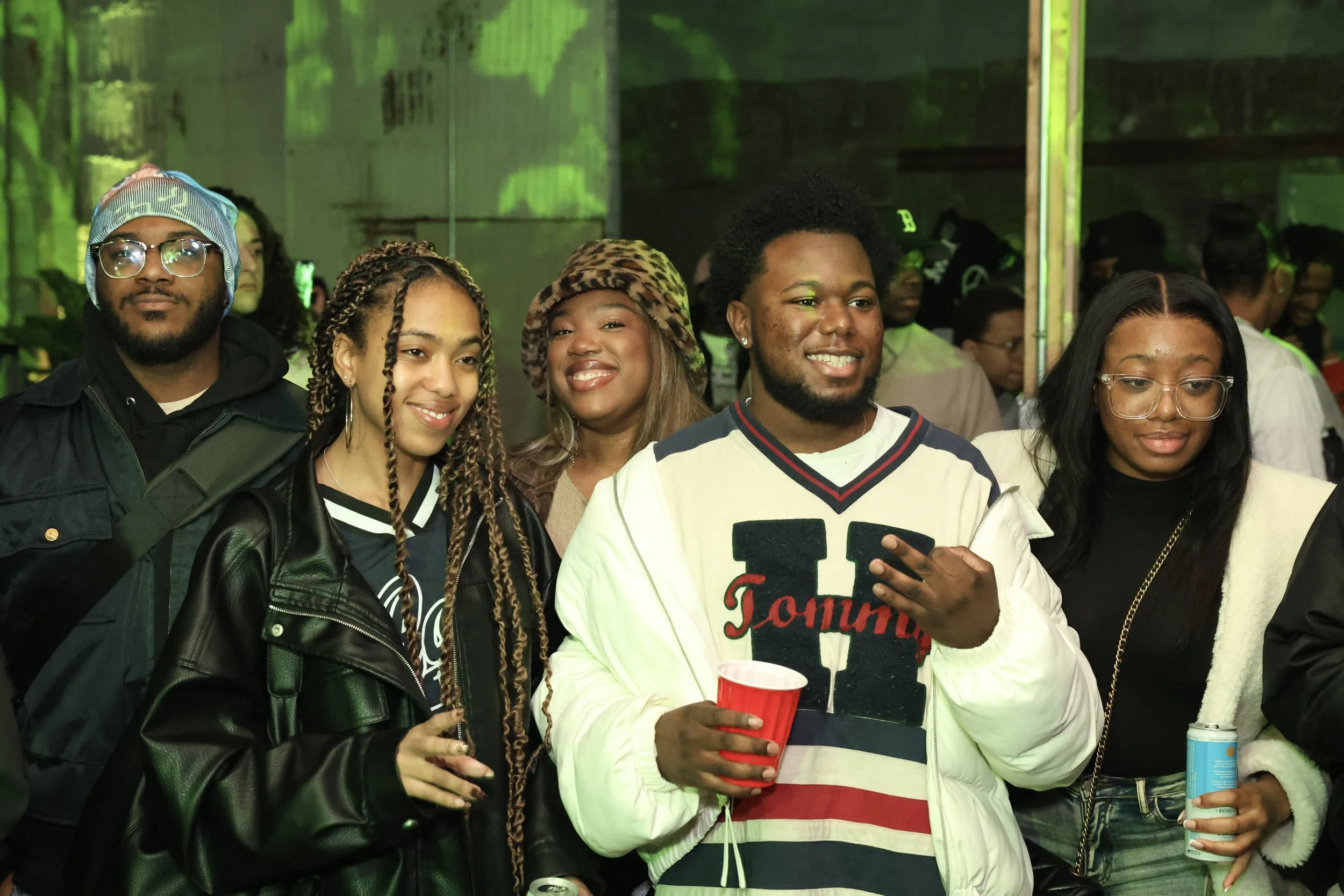
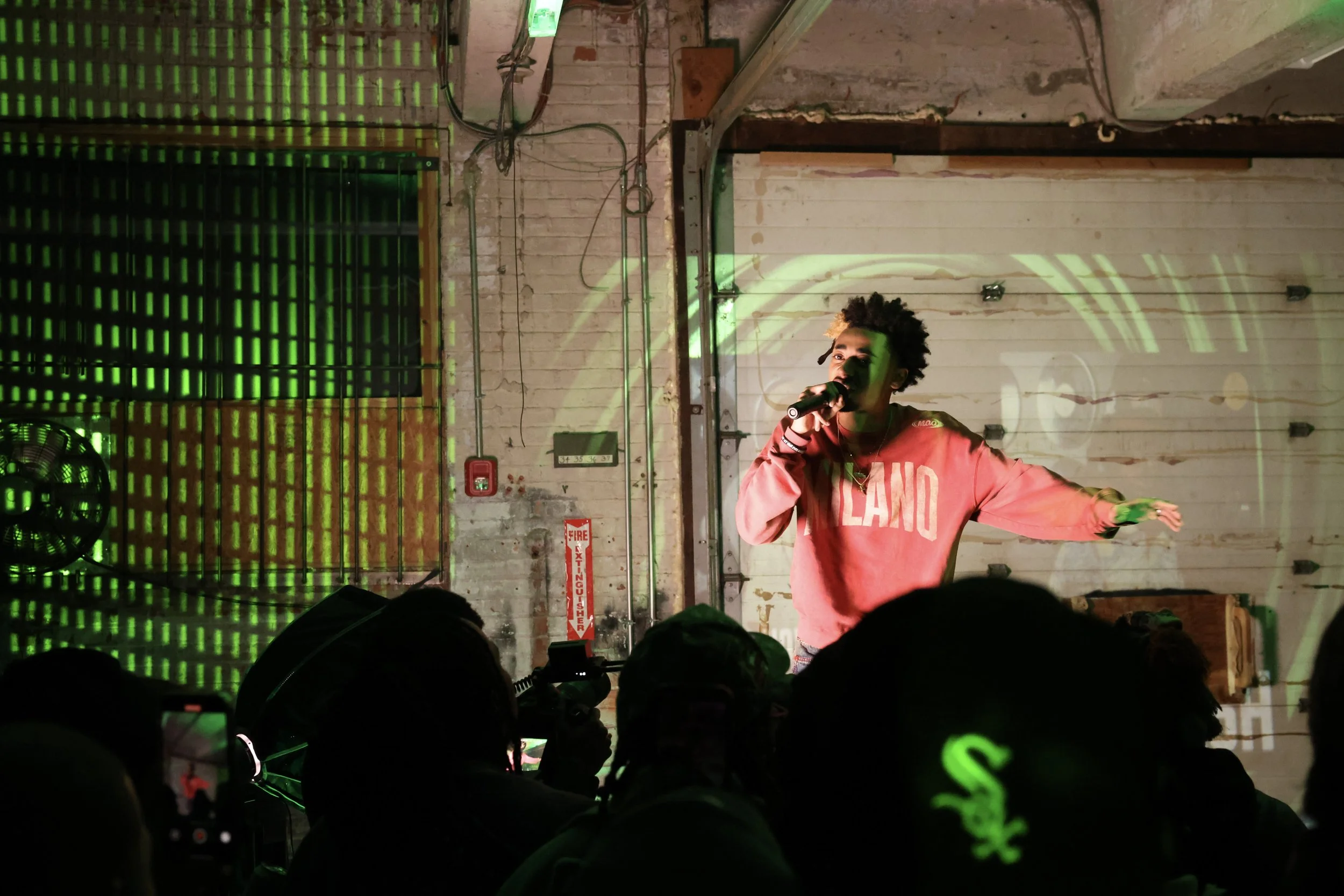
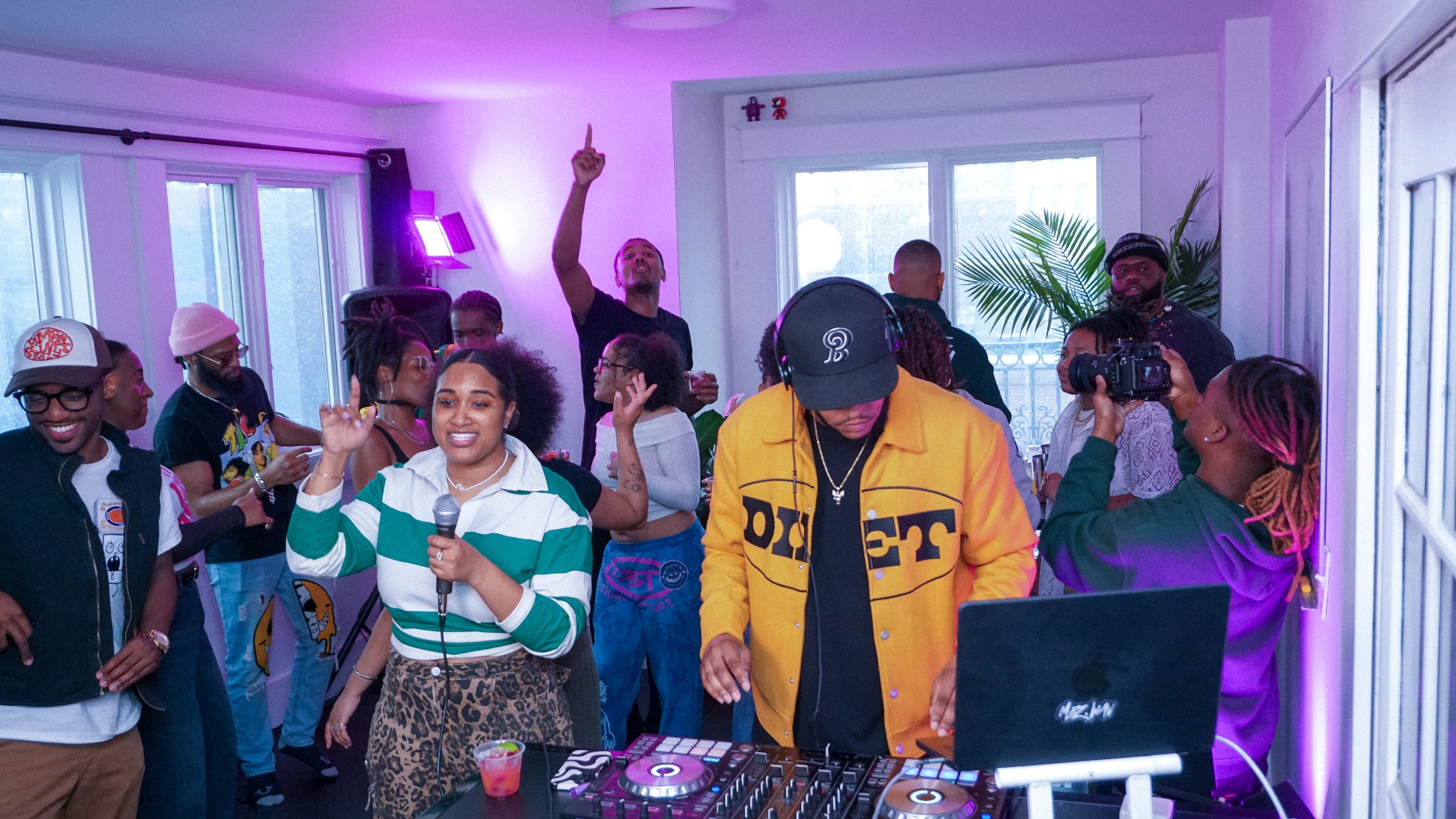
All Images courtesy of Nate Nics and Thrill